
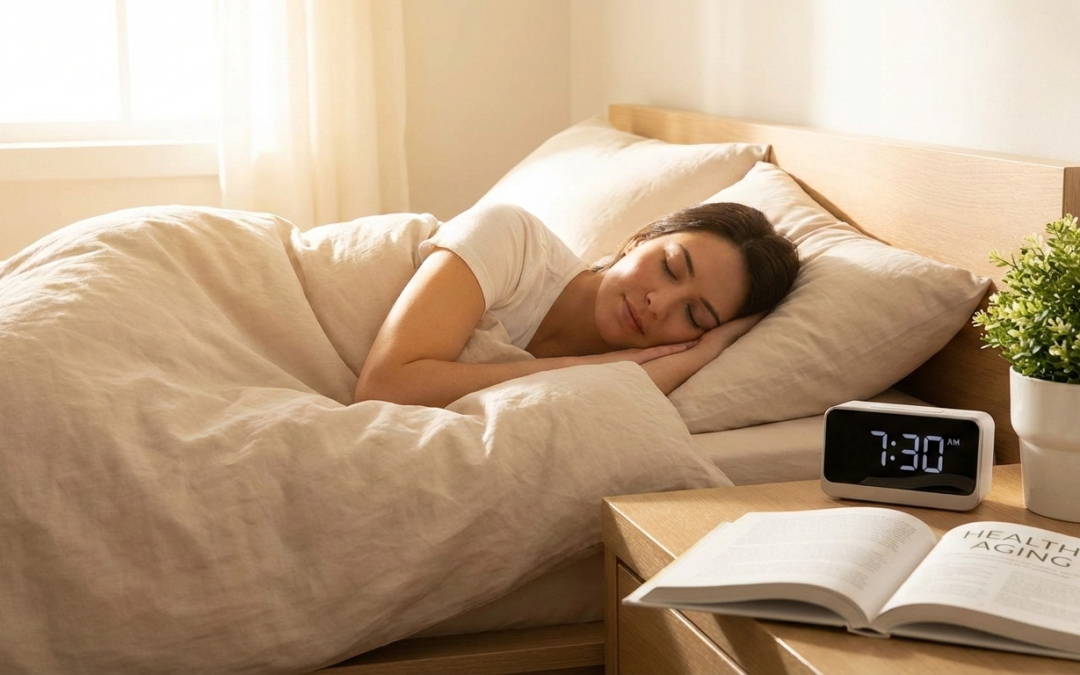
Sleep and Longevity: Why Quality Sleep Is Emerging as a Core Pillar of Healthspan
Sleep has long been treated as the quiet partner in health. Important, but negotiable. Diet plans get redesigned. Exercise programs get optimized. Sleep is often what gets trimmed when life gets busy.
That mindset is starting to change.
Recent research suggests that insufficient or irregular sleep is strongly associated with shorter life expectancy, sometimes rivaling other well-known lifestyle risk factors. This has sparked headlines claiming that sleep may matter more than diet or exercise for longevity.
The truth is more nuanced, and more useful.
Sleep does not replace movement, nutrition, social connection, or mental well-being. Instead, sleep acts as a biological amplifier. When sleep is strong, other healthy behaviors work better. When sleep is poor, even the best diet and exercise routines deliver less benefit.
This article breaks down what the science actually shows, where the research is limited, how sleep fits into a longer healthspan strategy, and the practical sleep hygiene habits that help translate research into real-world results.
What the Latest Research on Sleep and Longevity Really Shows
🧠 Key findings from population studies
Large population-based studies over the last several years have examined how sleep duration and sleep insufficiency correlate with life expectancy and mortality risk.
Across multiple datasets, researchers consistently find:
- Short sleep duration, typically under seven hours, is associated with higher all-cause mortality
- Irregular sleep schedules are linked with increased cardiovascular and metabolic risk
- Poor sleep quality correlates with higher rates of chronic disease, depression, and cognitive decline
In some population models, sleep insufficiency shows a stronger association with reduced life expectancy than diet quality or physical inactivity, second only to smoking.
This does not mean sleep is the single most important health behavior. It means sleep is deeply intertwined with nearly every system that drives aging and disease risk.
Strengths of the Sleep and Longevity Research
✅ Why these findings matter
Many sleep and longevity studies analyze data from hundreds of thousands or even millions of individuals across diverse regions and demographics. Large sample sizes reduce random noise and reflect real-world behavior patterns rather than idealized lab conditions.
The relationship between poor sleep and increased mortality appears consistently across countries, age groups, and study designs. When independent datasets point in the same direction, confidence in the signal increases.
There is also strong biological plausibility. Sleep directly influences:
- Inflammation and immune function
- Insulin sensitivity and glucose regulation
- Blood pressure and cardiovascular health
- Hormone balance, including cortisol
- Brain waste clearance and cognitive resilience
Because these pathways are well established, the epidemiological findings align with known physiology.
Limitations and Weaknesses Worth Understanding
⚠️ Important context before drawing conclusions
Most sleep studies are observational. They identify associations rather than direct cause-and-effect relationships. Poor sleep may contribute to reduced longevity, but it may also reflect underlying stress, illness, or lifestyle strain.
Many studies rely on self-reported sleep duration and quality. People tend to overestimate how much they sleep, and sleep quality is difficult to assess without objective tools.
Sleep is also tightly connected to other behaviors. Chronic stress, depression, poor diet, physical inactivity, social isolation, and irregular work schedules all impair sleep. This makes sleep both a risk factor and a signal of broader imbalance rather than an isolated variable.
Understanding these limitations keeps the science grounded and prevents oversimplification.
The Big Picture: Sleep Amplifies Other Longevity Behaviors
🔁 Sleep works with everything else
A helpful way to frame the research is this:
Sleep does not compete with diet, exercise, mental health, or social connection. Sleep determines how much benefit you get from them.
Poor sleep:
- Reduces muscle recovery and blunts exercise adaptation
- Increases appetite and cravings for ultra-processed foods
- Worsens insulin resistance
- Impairs emotional regulation and stress tolerance
High-quality sleep:
- Enhances metabolic health
- Supports exercise recovery
- Improves cognitive clarity
- Stabilizes mood
- Makes healthy behaviors easier to sustain
How Sleep Fits Into a Healthspan-Focused Lifestyle
⏳ Healthspan, not just lifespan
Longevity is not simply about adding years to life. It is about preserving strength, cognition, independence, and quality of life.
Sleep supports healthspan by influencing:
- Muscle maintenance and injury prevention
- Brain health and memory consolidation
- Cardiovascular stability
- Immune resilience
- Motivation and emotional balance
This is why sleep increasingly appears alongside movement, nutrition, mental well-being, and social engagement in preventive health strategies.
Sleep Hygiene: Evidence-Based Practices That Improve Sleep Quality
🛏️ Foundations of better sleep
⏰ Keep Sleep and Wake Times Consistent
Going to bed and waking up at the same time each day helps regulate circadian rhythms. Regular schedules improve sleep efficiency and hormonal timing. Consistency often matters more than sleeping in on weekends.
Aim for a consistent wake time seven days a week and adjust bedtime gradually rather than drastically.
❄️ Optimize Bedroom Temperature
Sleep quality improves in a cooler environment. Most people sleep best between 60 and 67 degrees Fahrenheit. Breathable bedding and lowering the thermostat can help signal the body that it is time to sleep.
📵 Avoid Screens Before Bed
Phones, tablets, and televisions emit blue light that suppresses melatonin and delay sleep onset. Mental stimulation from scrolling or watching shows keeps the nervous system activated.
Stop screen use at least 60 to 90 minutes before bedtime. Use lamps instead of bright overhead lighting in the evening.
🌙 Build a Wind-Down Routine
Sleep is a transition, not a switch. A consistent wind-down routine helps cue the brain and body for rest.
Effective options include reading physical books, gentle stretching, breathing exercises, journaling to offload mental stress, or taking a warm shower.
☕ Be Strategic With Caffeine and Alcohol
Caffeine can disrupt sleep even when consumed earlier in the day. Alcohol may help with falling asleep but fragments sleep later in the night and reduces deep sleep.
Limit caffeine to the morning or early afternoon and keep alcohol intake modest, especially in the evening.
☀️ Get Morning Light Exposure
Bright light exposure in the morning helps set circadian timing and improves nighttime sleep quality. Spend time outdoors within an hour of waking whenever possible.
Common Sleep Mistakes That Undermine Healthspan
🚫 Habits that quietly sabotage sleep
- Sleeping in to compensate for short nights
- Exercising intensely late in the evening
- Using the bed for work or screen time
- Treating sleep as optional during busy weeks
Sleep debt accumulates and is not fully reversed by weekend catch-up sleep.
Frequently Asked Questions About Sleep and Longevity
❓ How many hours of sleep are ideal for longevity
Most adults function best with seven to nine hours per night. Individual needs vary, and sleep quality and consistency are just as important as duration.
❓ Is more sleep always better
No. Extremely long sleep duration is sometimes associated with higher mortality, often reflecting underlying health issues rather than benefit.
❓ Can exercise make up for poor sleep
Exercise improves sleep quality, but it does not fully offset the negative effects of chronic sleep deprivation.
❓ Does sleep become more important with age
Yes. Sleep architecture changes with age, making consistency and sleep hygiene especially important for cognitive and physical resilience.
A Practical Takeaway for Long-Term Health
🌱 Sleep is a foundation, not a shortcut
Sleep is not a replacement for other healthy behaviors. It is a force multiplier.
The science supports elevating sleep to the same level of importance as nutrition, physical activity, mental well-being, and social connection. When sleep improves, other health investments work better.
If you are exercising and eating well but still feel fatigued, unfocused, or stalled in progress, sleep may be the missing link.
Improving sleep tonight is one of the most immediate and powerful steps you can take to support a longer, healthier life.